By Joshua Unde | Global Politics Affairs | November 2025
Power, today, does not merely reside within borders; it negotiates them.
From Washington to Abuja, the week revealed how sovereignty has become both a shield and a stage where diplomacy, dignity, and domestic politics converge under the watch of a restless world. The global order now speaks less in alliances and more in assertions.
Washington–Abuja: Sovereignty Under Scrutiny
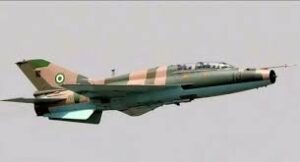
In a sharp diplomatic exchange that rippled across both continents, Nigeria’s presidency cautioned the United States to respect its sovereignty and territorial integrity after former U.S. President Donald Trump suggested that Washington “could deploy troops or launch airstrikes in Nigeria” in response to alleged killings of Christians.
Nigeria’s Special Adviser to the President, Daniel Bwala, swiftly rebuffed the statement, declaring that while Nigeria welcomes international cooperation in counterterrorism, “our security operations are neutral and cannot be dictated from abroad.”
The exchange rekindled an age-old debate about the limits of foreign intervention and the enduring struggle of African states to assert political independence in a world still shaped by power asymmetry. For Abuja, the controversy was not just about defense it was about dignity.
The Language of Partnership or the Weight of Power?
Analysts say the confrontation reflects a broader shift: the global South’s growing refusal to be defined by the narratives of its allies.
While Washington frames its engagement as humanitarian, African leaders increasingly demand cooperation grounded in respect and reciprocity, not paternalism.
The rhetoric of “help” has become the new terrain of contestation where words about democracy and human rights often conceal the geopolitics of influence.
“We welcome U.S. assistance, but it must be on terms that recognise our territorial integrity,” Bwala reiterated.
For many Nigerians, Trump’s remarks echoed a painful historical memory: how “security partnerships” have sometimes evolved into quiet dependencies.
As terrorism persists in the Sahel, nations like Nigeria now seek multilateral solutions through ECOWAS, the AU, and regional coalitions rather than unilateral promises of protection.
Between Aid and Autonomy: The Global Dilemma
This episode reveals a larger tension in 21st-century diplomacy: Can nations accept help without surrendering control?
For the U.S., it raises questions about the rhetoric of moral leadership in foreign policy. For Nigeria, it underscores a deeper truth that sovereignty in today’s world is not just about borders, but about narrative ownership.
Experts warn that framing security crises through the lens of religion risks oversimplifying Nigeria’s complex reality where conflict is driven as much by poverty, governance, and land disputes as by faith.
Why This Matters
The U.S.–Nigeria exchange goes beyond diplomatic etiquette; it is a microcosm of how the Global South redefines sovereignty in the 21st century.
From climate aid to counterterrorism, developing nations are asserting new conditions for engagement where partnership must not erode autonomy, and respect must accompany resources.
In this evolving grammar of power, “assistance” is no longer enough. The new diplomacy demands equality.
Closing Thought
“True sovereignty is not isolation from the world it is the right to choose how to engage with it.” — Joshua Unde
As the world reconsiders what partnership means, the conversation between Washington and Abuja offers a timeless lesson:
Power may lend a hand, but dignity defines how it is received.
References
- Reuters: “Trump says there could be U.S. troops on the ground in Nigeria or airstrikes”
- Reuters: “Nigeria welcomes U.S. assistance in fight against terrorism but insists on sovereignty”
- Arab News: “Nigeria warns U.S. to respect sovereignty amid Trump remarks on troop deployment”