By Adeola Opeyemi. |
April 24, 2026
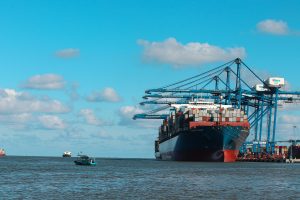
Tensions have surged once again in the Middle East following Iran’s decision to reimpose strict restrictions on vessel movement through the Strait of Hormuz, barely 24 hours after announcing its reopening.
The development has heightened fears of renewed escalation between Tehran and Washington, while also triggering fresh uncertainty across global energy markets.
The position of the United States was made clear by President Donald Trump, who, speaking from the Oval Office, dismissed Iran’s stance and reaffirmed Washington’s resolve to sustain pressure, insisting that the U.S. would not yield to what he described as blackmail.
In a strongly worded statement released on Saturday, Iranian military authorities blamed the United States for what they termed a continued blockade of Iranian ports, noting that the situation compelled Tehran to reverse its earlier decision to allow limited maritime access through the strategic waterway.
“The Islamic Republic of Iran, following previous agreements in negotiations, acted in good faith by permitting the managed passage of a limited number of oil tankers and commercial vessels through the Strait of Hormuz,” the statement read.
“However, the United States has continued its so-called blockade. Consequently, control of the Strait has reverted to its previous state, and the waterway is now under the strict management of Iran’s armed forces.”
Iranian authorities further warned that the restrictions would remain in place indefinitely unless the United States guarantees unrestricted maritime access for Iranian vessels.
They emphasized that until such assurances are provided, the Strait of Hormuz will continue to operate under tight military control, reflecting Tehran’s determination to safeguard its interests amid the ongoing standoff.
From price spike to global shortages
According to Al Kuwari, he said the world will soon face an “energy availability” problem, where even countries able to pay higher prices struggle to secure supply. Speaking at the International Monetary Fund Spring Meetings in Washington this week, Qatar’s Finance Minister Ali bin Ahmed Al Kuwari said the full impact of the conflict could be felt in the next couple of months if the Strait of Hormuz remains closed.
“If the situation continues, you’ll see a huge economic impact,” the minister said, pointing to knock-on effects across supply chains and key sectors. The Strait of Hormuz carries around a fifth of global energy supplies.
A harbinger of higher inflation
IMF warnings suggest the conflict could trigger a global recession, with the crisis acting as a sudden, massive tax on income for fuel-importing nations.
Starting with the wider world, the sharp increase in gas prices is a harbinger of higher inflation in the coming months. For a long time, countries like the UK had assumed that Qatar would be among the most reliable of all suppliers of natural gas. Now, not only are the LNG tankers that once took Qatari gas out and into the world unable to access the Gulf, but the Qatari gas fields are no longer operational.
Energy Crisis
The blockade has caused the largest disruption to the global oil market in history, with global crude throughputs declining and oil prices spiking, causing massive volatility and disrupting supplies to Asian markets.
Food Security Shock
Disruption of fertilizer and fuel supplies, with 30% of global fertilizer passing through the strait, is impacting global crop yields, with the UN warning that the crisis could push over 30 million people into poverty.
Shipping & Logistics Disruption
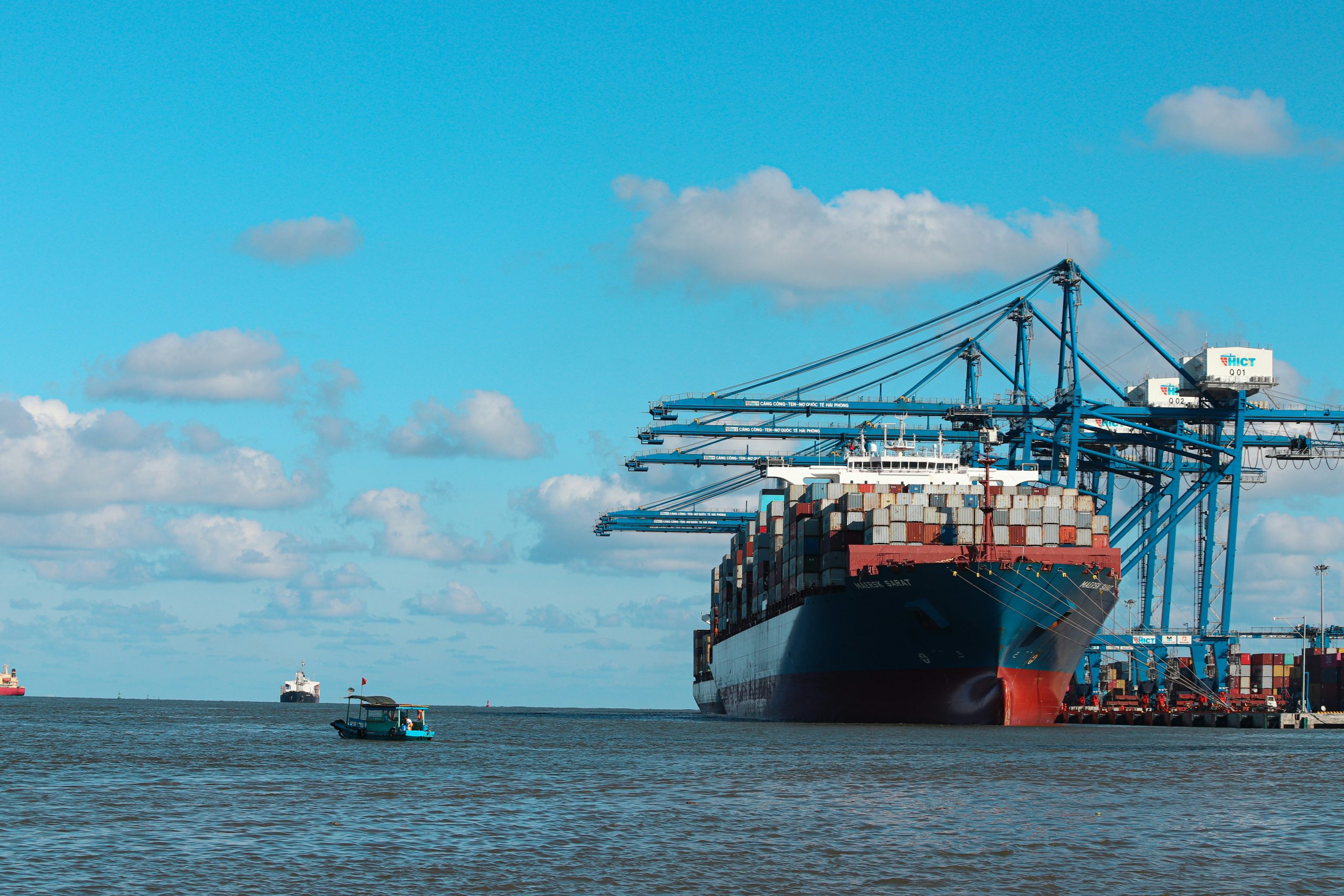
Rerouting of cargo vessels, such as redirecting energy supplies via the Panama Canal, is straining alternative routes and raising freight/insurance costs