Migration is the movement of people from one location to another and widely associated with change of permanent place of residence (Kyaing Kyaing Thet, 2014). The Out-of-Africa theory explains that early humans originated from Africa and with time migrated towards other parts of the globe (Gugliotta, 2008). Migration has existed since the early days of human existence and has evolved into a more complex practice taking into consideration the internal and external causes of this latter in the international system today. With the wave of globalization in the 21st century, migration has become a serious phenomenon affecting the social, political, security, cultural and many more sectors in the international system. It has positive and negative impacts.
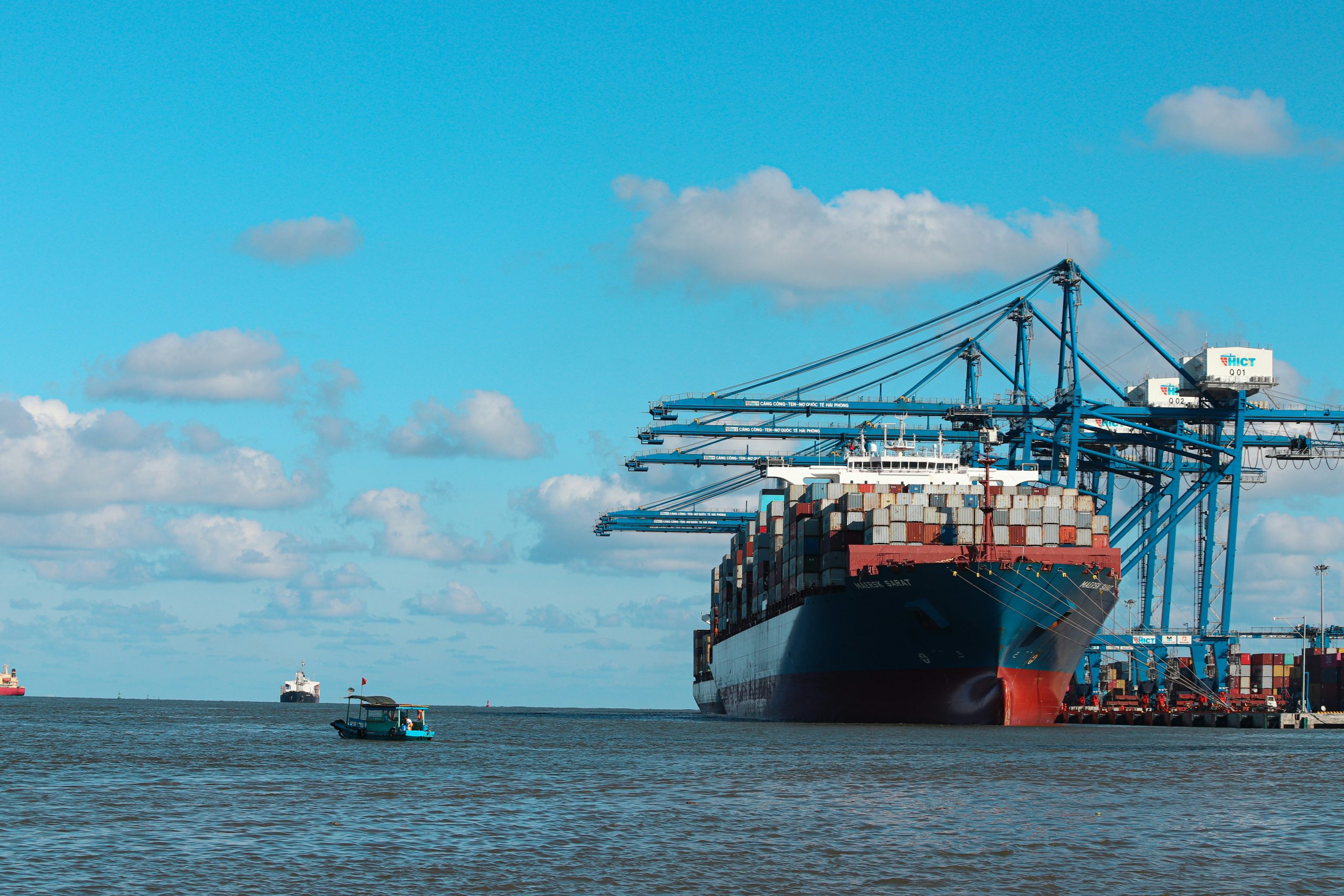
The Push and Pull theory developed by Ernest George Ravenstein (1885) explains the major reasons behind migration. The push factors compel people to move from an unfavourable place to a favourable one while the pull factors attract people due the advantages they offer. Migration and development are intertwined. Samir Amin’s (1976) centre-periphery model enlightens on the structural relationship between a developed ‘’centre’’ and a less developed ‘’periphery’’. The push factors are observed in the periphery and the pull factors at the centre. The root causes of migration are economic; low income level, lack of job opportunities, low productivity push migrant to the developed areas for better economic opportunities; demographic, having a younger population in the peripheries due to high fertility rate, favours migration of these latter to the centre where there is a less population or an aging population; socio-cultural influence, especially with the event of globalization has allowed people in the periphery to be savvy on the pull factors at the centre; and also political climate in an area makes people migrate to peaceful environments. The centre-periphery system can be observed at a national level as in the case of Nigeria were a huge migration occurred from the less developed areas to the big cities. This is due to the fact that wealth, industries and employment are concentrated in the big cities. At the international level, we have what is called the developed countries standing as the centre and the less developed countries as the peripheries. The raw and semi-processed materials are moved from these peripheries to the centres depriving the populations of employment, quality of life and freedom. The result of the continuous underdevelopment of the peripheries is the draining out of raw materials, human resources, which are necessary for the continuing affluence of the centre. This has led to migrations via brain drain and an increasing number of migrants workers (Simon, 2011).
Development and migration are interwoven and it is natural for humans to always migrate to a greener pasture. The solution therefore is to ensure that developmental activities are distributed at every level. Migration as a phenomenon cannot be stopped but can be reduced if at a national level each country embarks on a national development and decentralisation strategy to improve the expectations for everyday comforts of individuals living in rural zones and to deliver basic public necessities. Policies addressing equal access to education, youth issues, youth opportunities, poverty and economic inequality, skills and education for entrepreneurship, gender equality, education for women and girls, human rights, health and corruption should be advocated for and adopted.
References:
Amin, S. (1976). Unequal Development. New York: Oxford University Press.
Bertocchi, G. (2015). The Legacies of Slavery In and Out of Africa. Institute for the Study Labour. Retrieved from http://ftp.iza.org/dp9105.pdf.
Gugliotta, G. (2008). The Great Human Migration. Retrieved from the website https://www.smithsonianmag.com/history/the-great-human-migration- 13561Accessed.html
Ravenstein, E. G. (1885). The Laws of Migration. Journal of the Statistical Society of London, 48 (2), 167-235.
Simon, O. W. (2011). Centre-Periphery relationship in the understanding of development of internal colonies. International Journal of Economic Development Research and Investment, 2(1), 147-155.
Thet, K. K. (2014). Pull and Push Factors of Migration: A Case Study in the Urban Area of Monywa Township, Myanmar. Retrieved from https://www.worldofstatistics.org/files/2014/03/Pull-and-Push-Factors-of-Migration- Thet.pdf